
Replacing old attic insulation
When the attic insulation is flattened, damp or full of droppings, adding more on top keeps the problem in place, so we usually remove it first and seal the gaps underneath.
Discuss your projectE&J South Pasadena Spray Foam Insulation handles attic insulation and spray foam in South Pasadena and nearby cities like Pasadena and Alhambra. We also remove worn-out insulation from older houses and seal the gaps before anything new goes in.
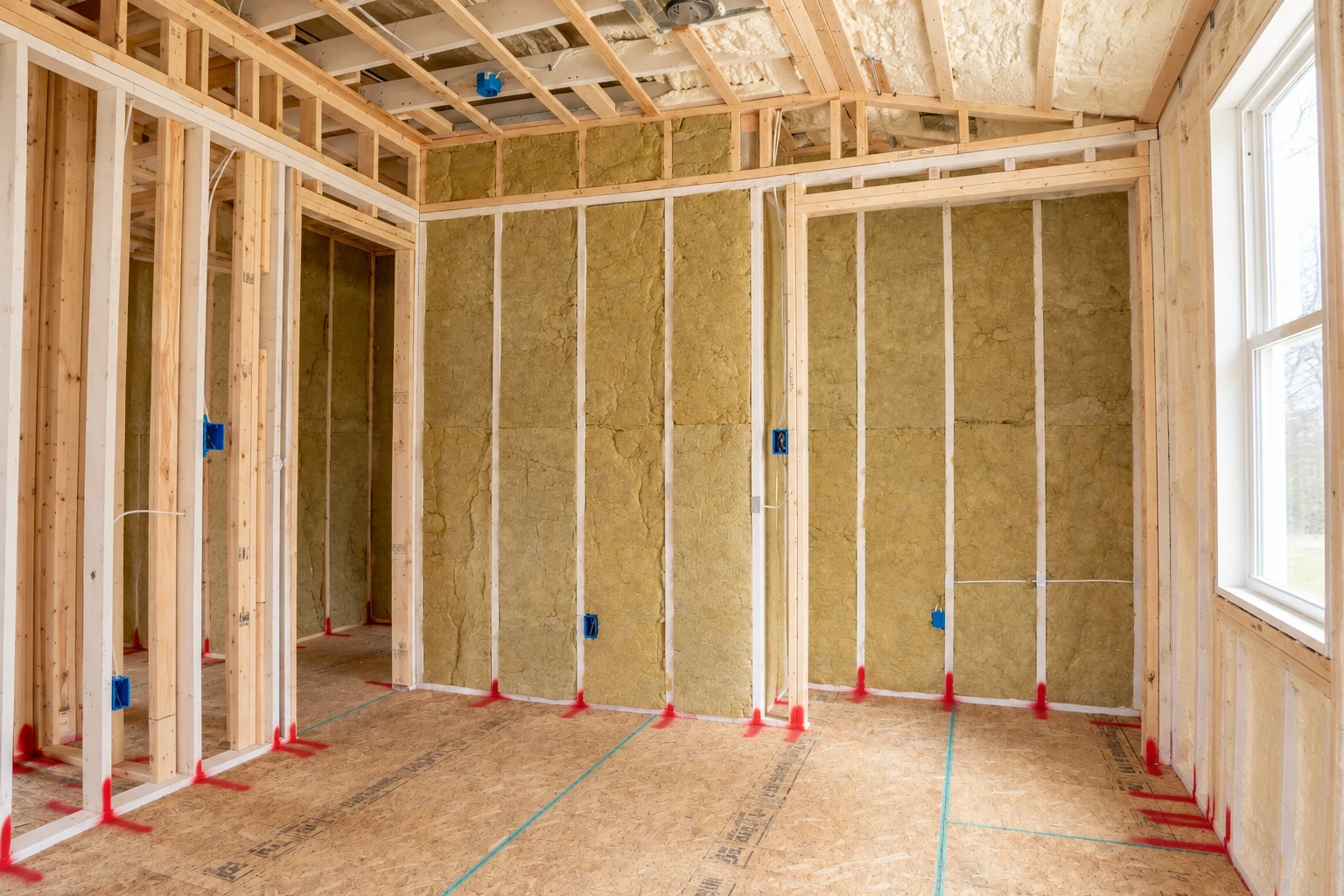
Most of our calls come from older houses, drafty rooms or high power bills, and they usually come down to one of two practical needs.
When the attic insulation is flattened, damp or full of droppings, adding more on top keeps the problem in place, so we usually remove it first and seal the gaps underneath.
Discuss your projectA drafty bedroom or a hot room over the garage often comes down to open gaps and thin coverage at the edges, which we look for before suggesting any material.
Discuss your projectI check your attic or crawl space for soaked or dirty insulation, buried eave vents and open gaps first, so your money goes into insulation that can do its job.
I come out and write your estimate myself, so the person who quotes the work is the same person who answers for it when it's done.
I put the work in writing, what goes where and why, so you understand what you're paying for and can compare it fairly. Call (626) 597-0202 to set one up.
E&J South Pasadena Spray Foam Insulation is an insulation contractor in South Pasadena, CA, with 16 services for homes and commercial buildings here and in the cities around it. Most calls we get are about drafty rooms, a hot upstairs, cold floors and high power bills. The price usually turns on the size of the space, how much old material has to come out, how much air sealing comes first and which material we use. The schedule turns on how easy the attic or crawl space is to reach and whether the city wants a permit and inspection. I'll give you your own figure in writing after I've looked at the space.
Foam sprayed onto the roof deck or framing that insulates and seals air in one pass. It costs more, so we usually suggest it when your ductwork runs through the attic.
We check how many inches are already up there and whether it's clean and dry, then bring the whole attic to an even depth, edges included, not just the middle.
Loose fill blown through a hose across the attic floor, a good fit for topping up older houses. We keep it back from the eave vents so the attic can still breathe.
For homeowners who want the whole house looked at, attic, walls and crawl space together. I'll tell you which part to do first, so the money goes where it helps most.
We take out insulation that's soaked, flattened or full of droppings and bag it for disposal, because new material laid over old damage only covers the problem up.
Cold floors over a crawl space usually mean the underside of the floor is bare or the old insulation has sagged loose. We check for moisture down there before we add anything.
Older houses often have empty wall cavities, which you feel as a drafty room. We look at how the walls are built before choosing how to fill them.
Air sealing means closing the gaps around pipes, wiring and the attic hatch before insulating, so the new insulation isn't fighting a draft it can't stop.
For homes with a basement, we insulate the walls and the rim joist, the framing that sits on top of the foundation, once we've checked that the space stays dry.
Closed-cell foam is dense foam that also blocks moisture, so it suits rim joists, crawl spaces and spots where water vapor is a concern. It's the firmer and pricier of the two foams.
Softer foam that expands to fill odd-shaped roof lines and seals air as it goes. It lets moisture pass, so we use it where the space doesn't need a vapor block.
For property managers and owners of offices, shops and metal buildings. We plan the work around tenants and opening hours, so the building can keep running while we insulate.
A sheet of heavy plastic laid over the dirt in a crawl space, overlapped and sealed at the seams so ground moisture stays out of the framing and the insulation.
We put a vapor barrier where a wall, floor or ceiling needs one and leave it out where it would trap moisture, since one in the wrong place does more harm than good.
Before any insulation goes down, we seal the attic floor around can lights, pipes, wiring holes and the hatch, the gaps that pull house air up into the attic.
Adding insulation to a finished house, often an older one, without tearing it apart. We work out the least disruptive way in, through the attic, crawl space or wall cavities.
I spent my early working years on crews for a large commercial insulation company, on offices, warehouses and metal buildings, where every step got checked before the next one started. I started E&J South Pasadena Spray Foam Insulation in South Pasadena in 2023 to bring that same order to people's homes.
We're licensed and insured, and I come out to look at each job and write the estimate myself. You can read more about us and how we work.
If your roof leaks or the wiring up there is old, I'll tell you before we talk materials, because new insulation over an open problem only wastes your money.
Each city decides what needs a permit, so we check with the local building office for your home, then take care of the application and set up the inspection.
Our install crew does the work, and I walk the finished attic or crawl space with you before we call it done, so you see exactly what you paid for.
Send the form and we'll reply within one business day to set a time. I'll come out, look at the space and give you a written estimate, free and with no obligation.
A hot upstairs, cold floors or a high power bill tells me where to look first, so mention it in the form and I'll start there when I come out.
If you know roughly when the house was built and how many inches of insulation are up there now, that helps me plan the visit and what to bring.
Clear a path to the attic hatch or crawl space door if you can, because I'll need to get up there to see what's really going on.
These photos show examples of materials and finishes we can talk through, from blown-in attic floors to sprayed foam on rafters.
Here are the questions South Pasadena homeowners ask most about cost, timing, permits and licenses before anyone goes into the attic.
The cost depends on what I find in your attic, so I give you a figure in writing after looking at the space. Removing soaked or dirty insulation, sealing gaps first, choosing foam over loose fill and a tight attic to work in all raise the price. A clean attic that only needs a top-up costs least.
For most older houses, sealing the gaps and topping up with blown-in insulation is the better value. Foam costs more, though it seals air and insulates in one step, so I recommend it mainly when your ductwork runs through the attic. I'll tell you which fits once I've seen how your attic is built.
That depends on the size of the space and whether old insulation comes out first, and I'll go over the schedule with you at the estimate. With blown-in work you can usually stay home. With spray foam you'll usually leave for a while, because the foam maker sets a re-entry time, the hours before people and pets come back inside, and we follow it.
That depends on your job, so it's worth confirming with the city's Building Division, which issues building permits here. The city requires permits for most construction and many home projects. We check with the Building Division for your job, and if it needs a permit, we handle it as described above.
You'll want a contractor with a California contractor's license and a South Pasadena business license. The state licensing board requires a license when a project needs a building permit, uses any additional workers or totals $1,000 or more in labor and materials. The city requires a business license from anyone working inside city limits, contractors based elsewhere included.
Historic designation in South Pasadena covers only exterior changes, so insulation done from inside the attic or crawl space isn't what it governs. Most homes 50 years or older are on the city's historic inventory, and you can ask the Planning and Building department whether yours is listed. Any work on the outside of the house has to follow the city's standards.
Call (626) 597-0202 or send the contact form, and we'll reply within one business day to set a time to look at your attic.